Mesa Restaurant Supply Options That Save You Money:
Affordable Equipment and Operational Efficiency in Mesa, AZ
Durable cooking equipment combines stainless-steel construction, reinforced welds, and modular components to withstand high-volume use without frequent breakdowns. This design lowers lifecycle costs by minimizing repair calls and service interruptions. For example, a heavy-gauge griddle top resists warping and maintains even heating over thousands of cycles.
By reducing power draw and run times, energy-efficient appliances yield rapid payback and reinforce a cycle of continuous savings.
How Does Durable Cooking Equipment Lower Replacement and Maintenance Expenses?
- Fewer service calls for component replacement.
- Extended warranty coverage on welded frames.
- Consistent performance reducing menu variation waste.
Durability reduces total cost of ownership and keeps kitchens running smoothly, creating capacity for higher throughput.
Which Smart Food Preparation Tools Improve Efficiency and Save Money?
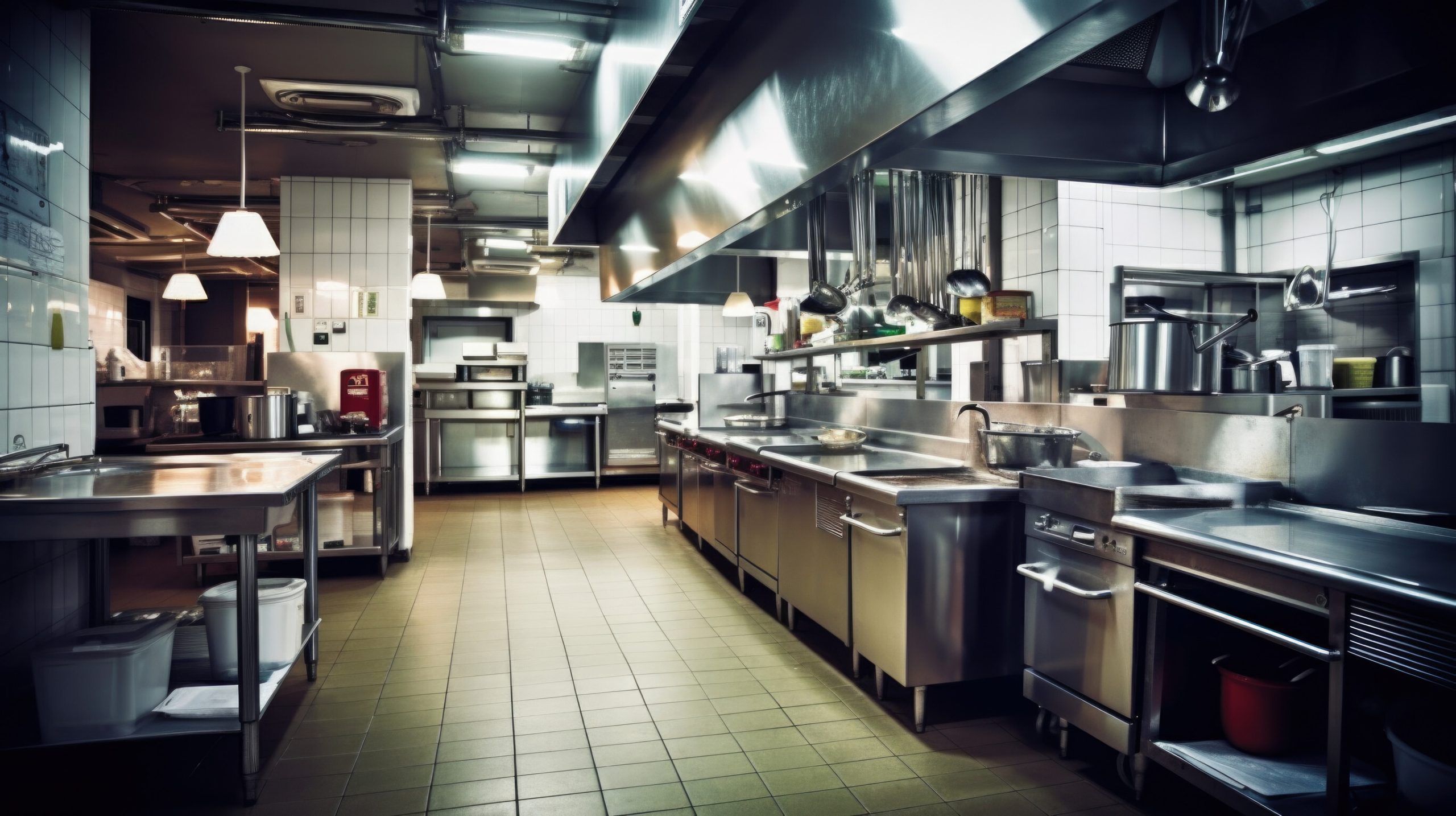
Smart food preparation tools such as programmable mixers, slicers with precision settings, and portion-control dispensers streamline prep work, reduce labor hours, and minimize ingredient waste. Digital timers and variable speed controls ensure consistent results on every batch.
- Faster batch processing with programmable settings.
- Uniform portion sizes to control food costs.
- Automated cleaning cycles that save labor.
These features boost productivity and free staff for value-added tasks, further improving restaurant profitability.
What Are the Best Commercial Kitchen Supplies Available in Mesa for Cost Savings?
Cost-saving commercial kitchen supplies encompass smallwares, disposables, and cleaning products designed for durability, bulk pricing, and process efficiency. Choosing high-impact items over cheap, short-lived solutions translates into long-term savings on replacement and inventory costs.
Which Smallwares and Disposables Offer Long-Term Savings for Restaurants?
Investing in heavy-duty, reusable smallwares and sourcing disposables in bulk lowers per-unit costs and limits frequent reorders. For example, thick-gauge mixing bowls and silicone spatulas outlast cheaper plastic alternatives by years.
| Category | Bulk Price Tier | Annual Cost Reduction |
|---|---|---|
| Silicone Utensils | 30% off at 100-unit | $600 |
| Polycarbonate Glassware | 25% off at 200 pieces | $450 |
| Disposable Gloves | 40% off at 1,000 boxes | $720 |
By leveraging volume discounts, restaurants minimize per-use costs and reduce order-processing labor, making stock management more predictable.
How Can Proper Storage Solutions Reduce Food Waste and Inventory Costs?
Well-designed shelving units, clear polycarbonate containers, and temperature-controlled prep carts extend ingredient shelf life and simplify stock rotation. Implementing FIFO (first-in, first-out) labeling on transparent storage bins helps kitchens use older inventory first, cutting spoilage.
- Extended shelf life through airtight, temperature-stable containers.
- Instant visibility of stock levels to avoid over-purchasing.
- Less waste leading to lower food cost percentages.
Effective storage lays the groundwork for advanced inventory management and waste-reduction software integration.
What Cleaning Supplies Help Maintain Equipment and Save Money?
Selecting concentrated, food-safe cleaning chemicals and reusable microfiber cloths prevents equipment corrosion and extends appliance lifespans. High-strength degreasers reduce labor time, while programmable spray systems ensure consistent dilution.
- Longer equipment service intervals.
- Reduced chemical waste with calibrated dispensing.
- Fewer breakdowns through regular, effective cleaning.
Proper cleaning protocols sustain energy efficiency and prevent costly emergency repairs.
How Can Mesa Restaurants Optimize Kitchen Workflow to Increase Profitability?
Optimizing kitchen workflow means designing spaces, processes, and technology integrations that minimize staff movement, reduce order turnaround times, and enhance coordination between stations. A streamlined layout and digital coordination tools lower labor costs and support higher table throughput.
What Kitchen Layout Designs Maximize Space and Reduce Labor Costs?
A zone-based kitchen layout segments stations for prep, cooking, plating, and cleaning to minimize staff crossover. Centralized refrigeration near prep areas and mobile prep carts reduce footsteps per order.
- Linear flow from inbound deliveries to service dispatch.
- Proximity mapping of high-frequency tasks.
- Modular islands that adapt to peak demand.
Strategic station placement shortens service times and allows lean staffing models.
How Do POS Systems and Technology Integration Streamline Operations?
Modern POS systems integrate order management, inventory tracking, and real-time labor analytics to balance staffing levels and reduce order errors. Cloud-based dashboards synchronizing front-of-house and back-of-house orders eliminate miscommunications.
- Automated reorder alerts when stock falls below thresholds.
- Reduced order voids through touchscreen accuracy.
- Labor scheduling optimization based on historic sales patterns.
Technology works as a force multiplier, aligning human resources with real-time demand.
Which Food Prep Stations and Speed Ovens Enhance Kitchen Productivity?
Dedicated prep stations with built-in chilled worktops and multi-function speed ovens deliver rapid, consistent cooking for high-volume menus. Speed ovens combine convection, microwave, and impingement cooking to reduce cook times by up to 70%.
- Faster ticket completion during peak service.
- Precision cooking that cuts rework.
- Multi-menu flexibility in a single footprint.
Focused stations and hybrid ovens create capacity for more covers with the same staff.
What Financing and Used Equipment Options Are Available in Mesa to Save Money?
Financing and certified used equipment programs let restaurant owners deploy capital on essentials and defer major investments, reducing upfront burdens. Compared to outright purchases, leasing conserves cash flow for operating needs.
How Does Equipment Leasing Benefit New and Growing Restaurants?
Leasing spreads equipment costs over fixed terms, preserves working capital, and often includes maintenance coverage. New operations can access premium-grade appliances without tying up reserves.
- Tax-deductible lease payments.
- Upgrade flexibility at lease end.
- Fixed cost predictability.
This approach supports expansion while maintaining financial agility.
Where to Find Certified Used Restaurant Equipment in Mesa?
Mesa operators can source inspected, reconditioned ovens, refrigerators, and stainless-steel worktables through local distributors offering warranty-backed used inventory. Certified used programs verify functionality, safety, and performance.
Certified Used Equipment Inspection and Warranty Considerations
| Equipment Type | Inspection Criteria | Warranty Offer |
|---|---|---|
| Commercial Range | Burner calibration, seals | 6-month parts and labor |
| Walk-In Cooler | Compressor integrity, insulation | 12-month compressor |
| Stainless Worktables | Weld strength, finish | 3-year structural |
How Can Mesa Restaurants Reduce Food Waste and Inventory Costs Effectively?
Combining disciplined inventory management, proper storage containers, and menu engineering techniques helps restaurants cut waste and protect margins. Every dollar saved on spoilage directly increases profit potential.
What Inventory Management Techniques Prevent Food Waste?
Implementing FIFO labeling, cycle counting, and automated reorder triggers with inventory software ensures ingredients move through the kitchen before they expire. Regular audits identify slow-moving items and adjust purchasing.
Step-by-Step Guide to Implementing Inventory Software for Waste Reduction
- Select a cloud-based inventory platform with real-time tracking.
- Define reorder points and par levels for each ingredient.
- Train staff on barcode scanning and FIFO procedures.
- Run weekly cycle counts and analyze variance reports.
- Adjust purchase frequency based on usage trends.
These steps foster tighter stock control and minimize costly spoilage.
Restaurant Inventory Management: A Detailed Guide
Effective inventory management is critical for restaurant profitability, as studies indicate that 4% to 10% of food purchased by restaurants is wasted before it reaches customers. Implementing real-time tracking, standardized inventory systems, and data-driven approaches can significantly reduce waste, optimize purchasing, and enhance overall operational efficiency.
This research directly supports the article's emphasis on the importance of proper inventory management techniques and storage solutions to minimize food waste and control costs.
How Do Proper Food Storage Containers Extend Ingredient Shelf Life?
Airtight, color-coded polymer containers shield ingredients from moisture and cross-contamination while allowing clear visual inspection. Vacuum-sealable bags further extend freshness for high-value proteins and produce.
- 30–50% longer shelf life on perishable items.
- Reduced freezer burn and off-flavors.
- Simplified portioning with pre-measured containers.
Effective storage directly cuts waste and optimizes ingredient usage.
What Menu Engineering Strategies Help Minimize Waste and Maximize Profits?
Analyzing menu item popularity and profit margins guides recipe portion adjustments and featured specials. Pairing under-used ingredients with high-demand dishes ensures full utilization of inventory.
- Highlight high-margin, low–waste dishes on menus.
- Bundle complementary items to clear slow-moving stock.
- Rotate specials based on seasonal produce availability.
Menu engineering aligns purchasing with consumption patterns, boosting profitability.
What Are the Most Frequently Asked Questions About Saving Money on Restaurant Supplies in Mesa?
This section addresses the top local queries about sourcing affordable supplies, starter equipment, and delivery services to help new and established Mesa restaurants make informed decisions.
Where Can I Buy Affordable Restaurant Supplies in Mesa, AZ?
Mesa operators find the best combination of selection, price, and service at Standard Restaurant Supply’s local warehouse, where over 50,000 items are available for in-store pickup or rapid delivery.
What Essential Kitchen Equipment Should New Restaurants Invest In?
New establishments should prioritize refrigeration, food prep surfaces, cooking ranges, and point-of-sale stations—equipment that forms the operational backbone and yields the greatest cost savings through efficiency.
Do Restaurant Supply Stores in Mesa Offer Delivery Services?
Yes, leading Mesa supply providers offer scheduled and on-demand delivery, including white-glove options for heavy appliances, ensuring seamless integration into kitchen workflows.
With strategic equipment selection, optimized workflows, disciplined inventory control, and smart financing choices, Mesa restaurants can transform supply costs into profit centers. Energy-efficient appliances and durable smallwares cut utility and replacement expenses, while tailored financing and certified used equipment preserve working capital. By partnering with Standard Restaurant Supply in Mesa, operators gain local expertise, vast inventory access, and dedicated support to reliably achieve long-term savings. Implement these practices today to boost margins, streamline operations, and deliver exceptional dining experiences without breaking the budget.
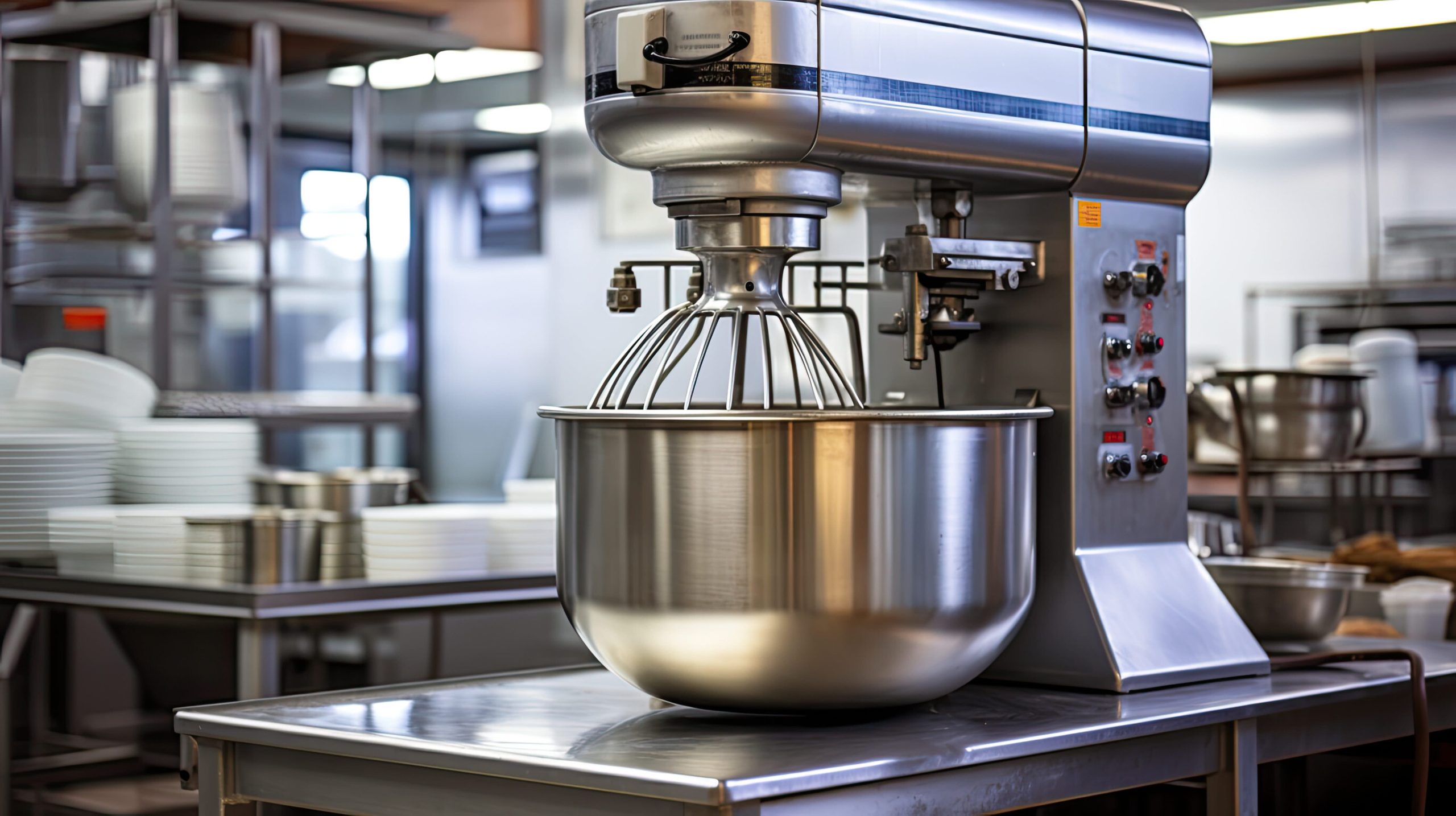
Commercial kitchens in Mesa can face utility bills up to 20% above the national average, squeezing margins on every ticket.
Restaurant operating expenses and their effects on profitability enhancement
Research on restaurant operating expenses highlights that efficient cost management strategies are essential due to competitive market conditions and the often-thin profit margins in the industry. High prime costs, particularly food and labor expenses, are identified as major concerns for full-service restaurants and can significantly impact overall profitability.
This study reinforces the article's overarching theme that strategic equipment choices, optimized workflows, and disciplined cost control are crucial for enhancing restaurant profitability.
By investing in the right restaurant supply delivery options and equipment choices, operators can lower overhead, extend asset life, and streamline service. This guide explains how energy-efficient appliances, durable cooking tools, smart workflow layouts, financing strategies, and waste-reduction methods combine to cut costs. You’ll discover cost-saving commercial kitchen supplies, optimized kitchen workflows, financing and used-equipment avenues, and why Standard Restaurant Supply in Mesa offers the best value for local restaurateurs.
How Can Mesa Restaurants Reduce Operational Costs with Smart Equipment Choices?
Smart equipment choices involve selecting appliances and tools that deliver reliable performance while minimizing energy consumption and maintenance needs. Investing in commercial appliances with high energy ratings and robust construction reduces monthly utility bills and replacement downtime. For example, choosing an ENERGY STAR® certified refrigerator cuts electricity use by up to 40%.
Commercial Food Service Equipment Savings
ENERGY STAR certified commercial kitchen equipment helps restaurants and institutional kitchens save energy by reducing utility and maintenance costs. Outfitting an entire commercial kitchen with ENERGY STAR certified equipment can lead to significant annual savings, such as approximately 350 MMBTU/year or around $4,000/year.
This citation supports the article's claims regarding the substantial cost savings and environmental benefits of investing in energy-efficient commercial kitchen equipment.
- Adopting energy-efficient cooking and refrigeration models.
- Prioritizing corrosion-resistant, heavy-duty materials.
- Integrating digital controls to optimize run times.
These approaches immediately lower utility and repair costs, setting the stage for durable cooking equipment that further boosts savings.
What Are the Benefits of Energy-Efficient Commercial Kitchen Equipment?
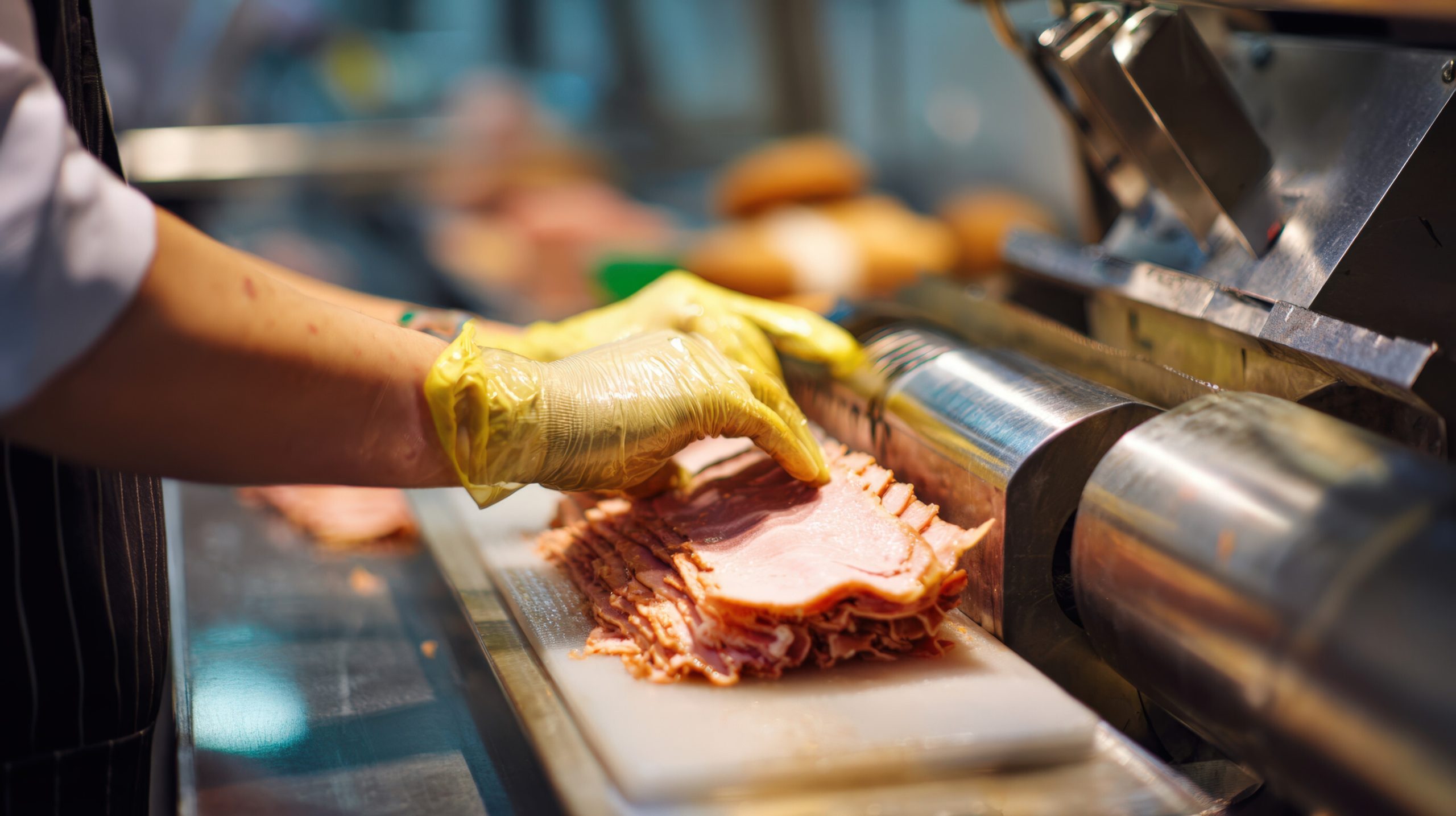
Energy-efficient commercial kitchen equipment reduces utility expenses by operating at superior thermal performance and leveraging advanced insulation or induction technology. This technology limits heat loss, cuts idle run time, and stabilizes temperature control in cooking and refrigeration units. For instance, induction ranges convert up to 90% of energy into cooking heat, versus 55% for traditional gas stoves.
Energy-Efficient Refrigeration Models and Their Utility Cost Savings
| Model | Energy Rating | Estimated Annual Savings |
|---|---|---|
| Dual-Zone Reach-In Refrigerator | ENERGY STAR® | $450 |
| Low-Profile Undercounter Freezer | Tier 2 | $320 |
| Variable-Speed Compressor Walk-In | Tier 1 | $1,200 |
By choosing certified units, restaurants enjoy significant savings and reliable performance.
How to Calculate ROI on Restaurant Equipment Investments?
Calculating ROI involves comparing incremental cost savings and revenue gains against capital outlay over the equipment’s expected life. Break down savings into categories—energy, labor, maintenance—and divide by total investment.
- Estimate annual utility and labor savings.
- Project increased revenue from enhanced throughput.
- Divide net annual benefit by purchase price.
This formula clarifies payback periods and prioritizes high-impact investments.
Why Choose Standard Restaurant Supply in Mesa for Affordable Restaurant Equipment?
Standard Restaurant Supply in Mesa delivers local restaurateurs unbeatable value through a vast inventory, competitive pricing, and expert support. As a master distributor, they offer over 50,000 items, tailored financing, and next-day delivery options to keep kitchens stocked and operational.
What Makes Standard Restaurant Supply’s Pricing Competitive in Mesa?
Bulk purchasing agreements and direct relationships with manufacturers enable deeply discounted rates on top brands. Their transparent pricing structure shows true cost per use, eliminating hidden markups.
- Volume discounts passed directly to customers.
- Seasonal promotions on key equipment categories.
- Price-match policies against comparable local distributors.
This pricing strategy maximizes capital efficiency for Mesa operators.
How Does Expert Customer Service Help Restaurants Save Money?
On-floor specialists guide customers to the optimal equipment and supplies for specific menu needs and kitchen footprints. Their pre-purchase consultations and installation advice reduce order errors and eliminate costly returns.
- Personalized product selection reducing overstock.
- Installation guidance minimizing setup delays.
- Ongoing support for maintenance best practices.
Expertise translates into right-sized purchases and operational consistency.
What Delivery and Support Services Enhance Operational Efficiency?
Standard Restaurant Supply’s logistics network offers next-day delivery across Mesa and same-day pickup from the local warehouse. Their white-glove delivery includes equipment unpacking and positioning, reducing labor burdens.
- Scheduled route deliveries for minimal kitchen disruption.
- Installation coordination with certified technicians.
- Post-sale equipment servicing and preventative maintenance plans.
Reliable delivery and support ensure new assets deliver promised savings from day one.
Local Case Studies: Mesa Restaurants Saving Money with Standard Restaurant Supply
| Restaurant | Challenge | Outcome |
|---|---|---|
| The Mesa Grill | High utility bills | 20% drop with energy-efficient refrigeration |
| Taco Familia | Frequent smallware replacements | 50% fewer orders with heavy-duty utensils |
| Urban Food Hall | Inconsistent prep times | 30% faster tickets using speed ovens |